The IMDG (International Maritime Dangerous Goods) code is a set of rules and regulations that have set an industry standard for safely practicing the movement of Dangerous Cargo through international territories. OOCL follows the IMDG code stringently, taking proactive measures to protect the environment while carrying these dangerous goods. The IMDG Code is broken down into the nine different classes. Under OOCL policies, we carry the classes listed below. Should you have any questions regarding D/G acceptance, please contact one of our customer service representatives.

Class 1.4
Explosives
| 
Class 2
Gases
| 
Class 2.2
Non-flammable
Gases |

Class 2.3
Poisonous Gases |

Class 3
Flammable Liquid |

Class 4.1
Flammable Solids |

Class 4.2
Spontaneously
Combustible |

Class 4.3
Dangerous When
Wet |

Class 5.1
Oxidizing Agent
|
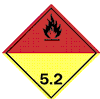
Class 5.2
Organic Peroxide |

Class 6.1
Toxic Substance |

Class 8
Corrosive Substance |

Class 9
Misc Dangerous
Goods |

Limited Quantity
Marking
|

Marine Pollutant
Marking
|
Requirements for DG Documentation
What are the requirements for DG documentation? Please see the following file for the specifics and for regulatory references.
 Requirements for DG Documentation
  Download (76KB)
How do I Start?
The IMDG form is an informative yet simple document. Filling one out correctly can help reduce complications and timing issues for your D/G cargo. Down below, we have some examples as well as a guide for your reference.
First we have the Multimodal DG form. This form needs Microsoft Excel to run correctly. It provides interactive roll over cells that have information regarding the form and how to fill it out. It is a great reference for anyone who deals with dangerous goods.
 Multimodal DG form Download (145KB)
Second, we have some in house example that we have put together, so you can see what is on an IMDG form looks like when it is complete. We have two examples, one is a container laden with multiple D/G cargo. Second example we have is a shipper who is using a tank container. Please download below for the file.
IMDG shipping form (multi d/g container) Download (200KB)
IMDG shipping from (tank)
Download (200KB)
Ready?
The IMDG form is available for download below. Please fill out the information needed. Once the form is complete, follow up with your customer service representative and submit the form.
IMDG Shipping from Download (350KB)
What are the 10 Most Common Documentation Violations?
Click to see them
For further information on the shipment of your DG cargo, please contact your OOCL Customer Service Center in North America or Canada at 1-888-388-6625(OOCL).
Placarding Flow Chart:
We have created the linked placarding flow chart to assist in determing what placards and markings your shipment may require.
Placarding Flow Chart Download (145KB)
Rail Road Placarding Requirements:
Click here to see them
The segregation Table shows the general requirements for segregation between various classes of dangerous goods. Since the property of substances, materials or articles within each class may vary greatly, the Dangerous Goods list should always be consulted for particular provisions for segregation as, in the case of conflicting provisions, these take precedence over the general provisions.OOCL’s website provides this chart to our customers for assistance in their handling of hazardous cargo.
Click here for the Segregation Chart
Port of Houston Authority (POHA) Hazardous Pre-Advise System
The Port of Houston Authority (POHA) uses a paperless hazardous pre-advise system. Customers are responsible for ensuring that DG documents are emailed to
[email protected] 24 hours prior to a containers arrival at terminal.
For full details on the POHA policy please see the following POHA link.
http://www.portofhouston.com/maritime/container/barbours/docrequirements.html
